
News
Celebrating Literacy
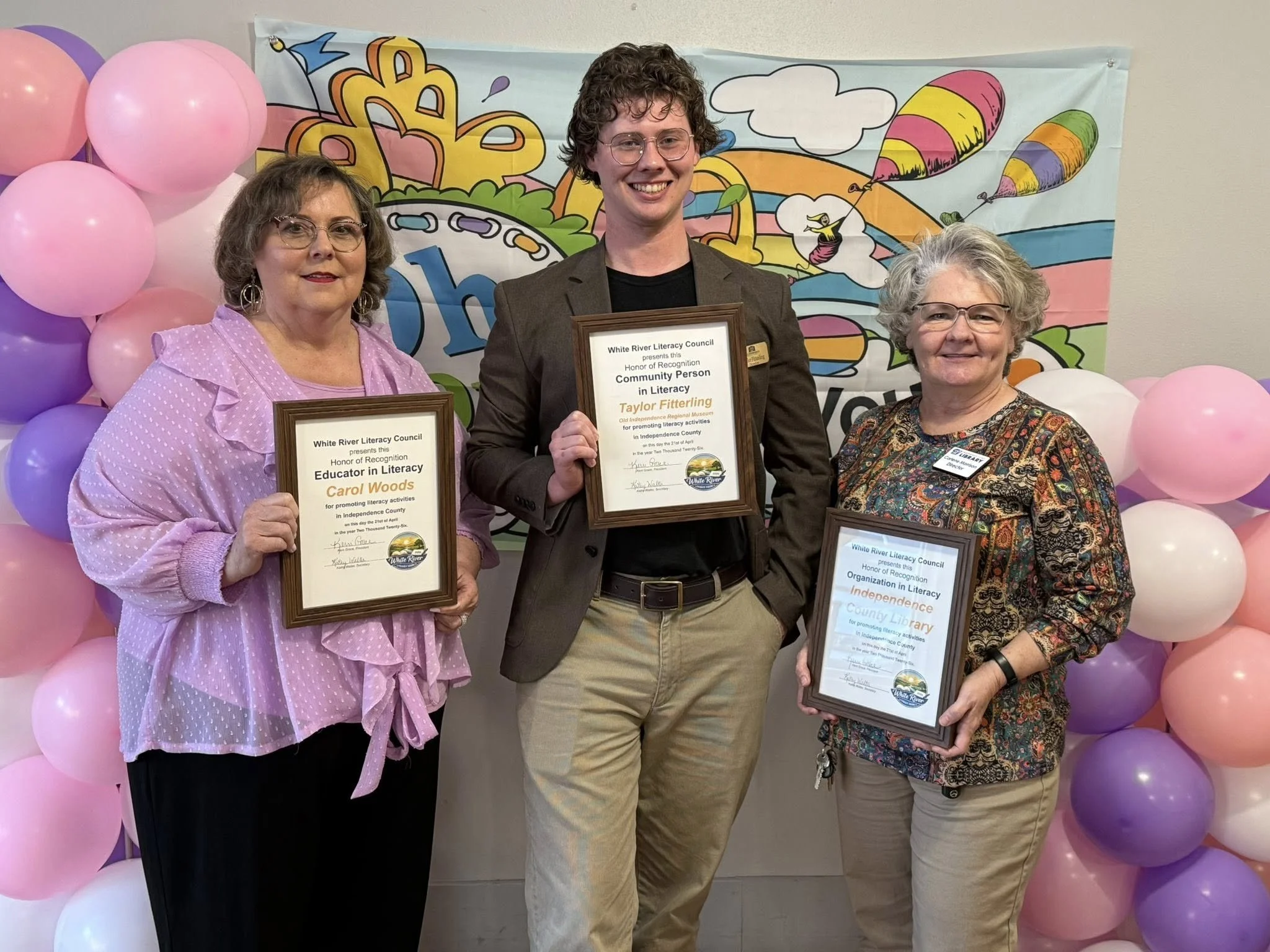
Director Taylor Fitterling received the “Community Person in Literacy” award from the White River Literacy Council for the OIRM’s efforts in promoting literacy activities in Independence County.
Limited literacy can affect a person’s ability to interpret the past and understand its connection to the present. History, therefore, requires specific literacy skills that are essential for college, career, and civic readiness.
Central to our museum's mission is a commitment to literacy by promoting the ability to read, interpret, and engage with historical documents and narratives.
Through accessible archives, exhibits, and educational programs, the museum fosters critical thinking, research skills, and a deeper understanding of the past for learners of all ages.
Spring Family Day
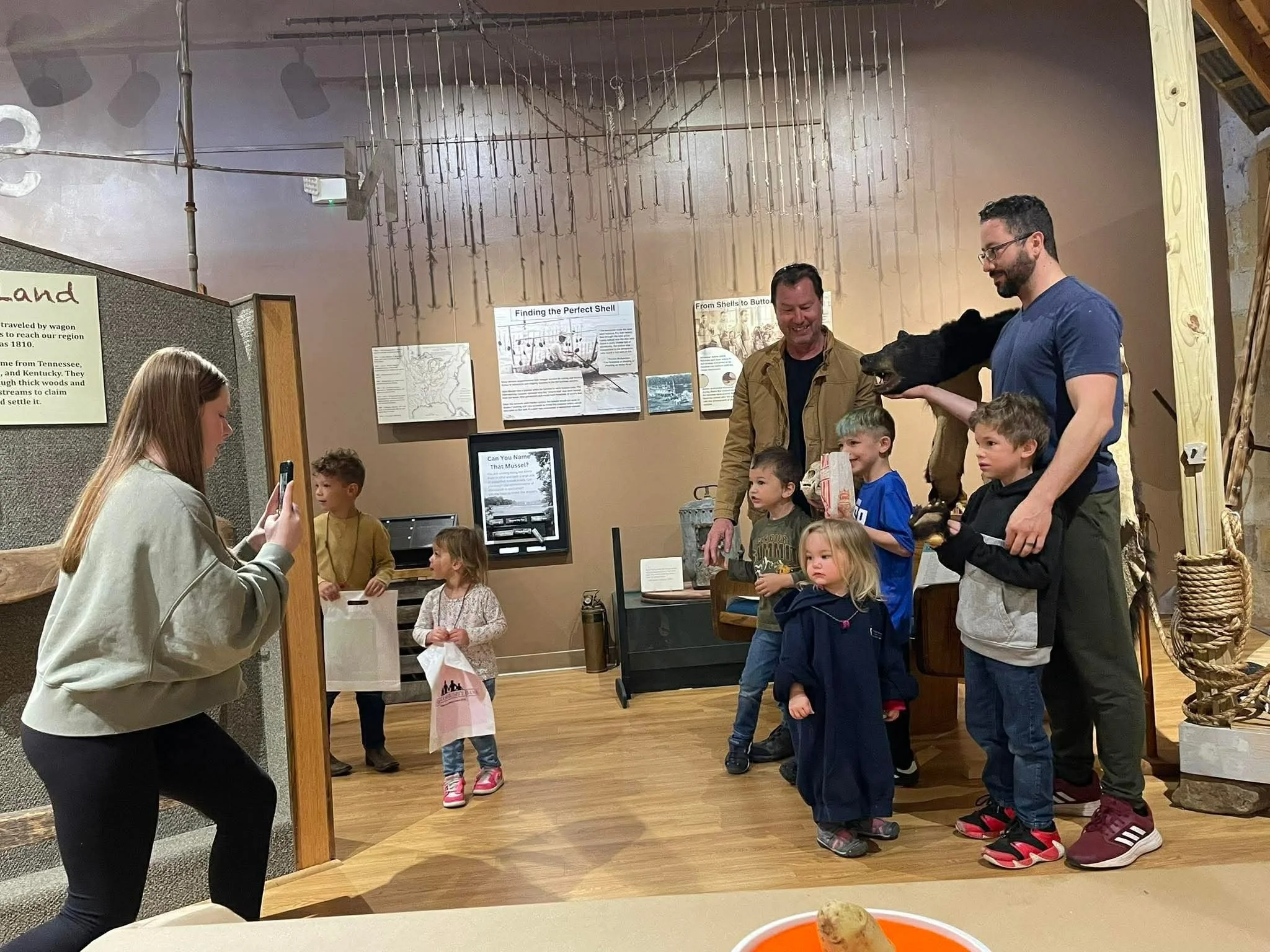
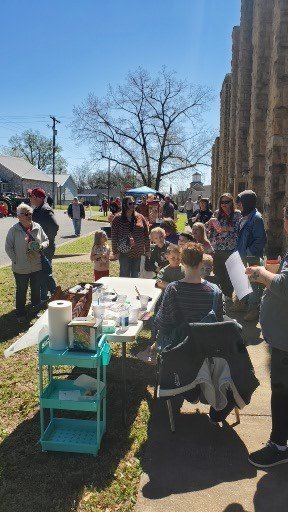
The OIRM had its 18th annual Spring Family Day event on Saturday, March 28, from 10:00am to 2:00pm. Over 250 people, kids and adults alike, discovered why Arkansas is known as the Natural State.
Family fun activities included wildlife-themed crafts, live bird demonstrations, wild game cooking demos, living history interpreters, and so much more!
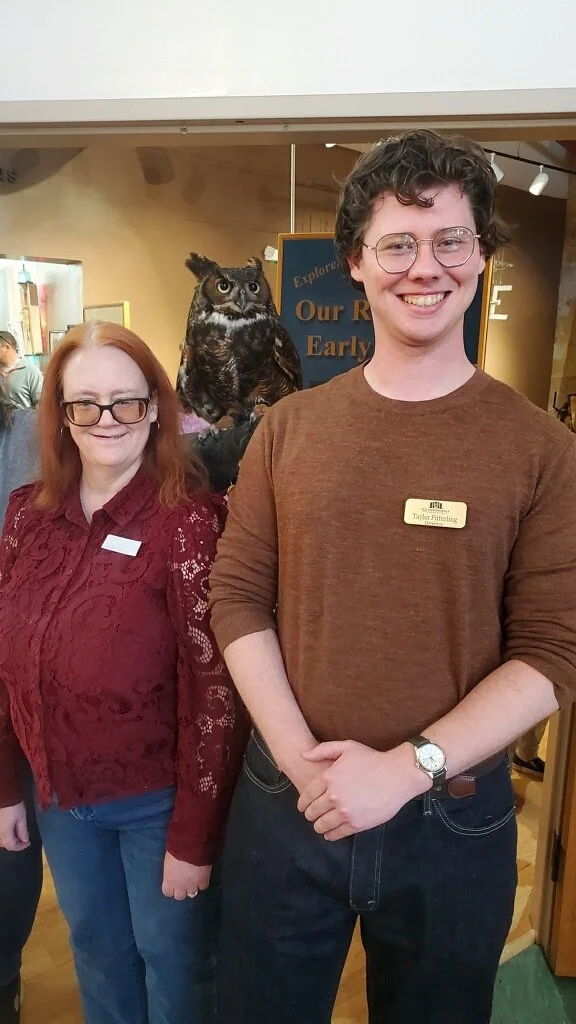
Raptor Rehab of Central Arkansas brought their "animal ambassadors," wild birds that cannot be released back into the wild. The National Wild Turkey Federation held a turkey calling demonstration for youth and adults.
The Arkansas Game and Fish Commission taught visitors fly-fishing techniques. Local flintknappers demonstrated their ancient craft. Finally, the Tri-County Antique Tractor Club displayed their tractors in front of the museum.
Fay Brinkley spoke with visitors about Ozark folklore and herbal remedies. "Wild and cultivated plants and herbs played a vital role in the life of early Arkansas pioneers. Being able to identify plants that are helpful and which to avoid is still an important lesson today.”
Sandee Steiner has taught physical geology for nineteen years and shared more about her favorite subject. Brave folks sampled game stew, squirrel dumplings, turkey tenders, canned deer on crackers and other delicacies.
Read more:
What’s going on behind OIRM?
We were given a generous donation by a number of patrons who were interested in creating an outdoor learning area for Old Independence Regional Museum. Their grand idea has led to a unique opportunity to install a learning garden directly behind the museum. If you are familiar with parking at our facility, you might recognize “directly behind the museum” interferes with parking. Indeed, it does. We plan on adding an elaborate garden to the existing parking area. And now you are asking, “But where will I park?” Fear not! The lot beyond the parking lot - to the west - is also owned by OIRM and that blank slate will become the parking area with a permeable surface to allow water to seep naturally into the soil rather than running off into our neighbors’ yards.
Within the next few months, you should begin noticing very large changes. We will be adding raised beds, soil, a stage and storage area for instructors to hold classes, a seating area for students to eat lunch while visiting on school tours, and an abundance of fruit and vegetable plants.
If you would like to contribute to this project, we are taking donations for commemorative benches and planters. Please call 870 793-2121 for details.


Fulbright Bell
Dedication
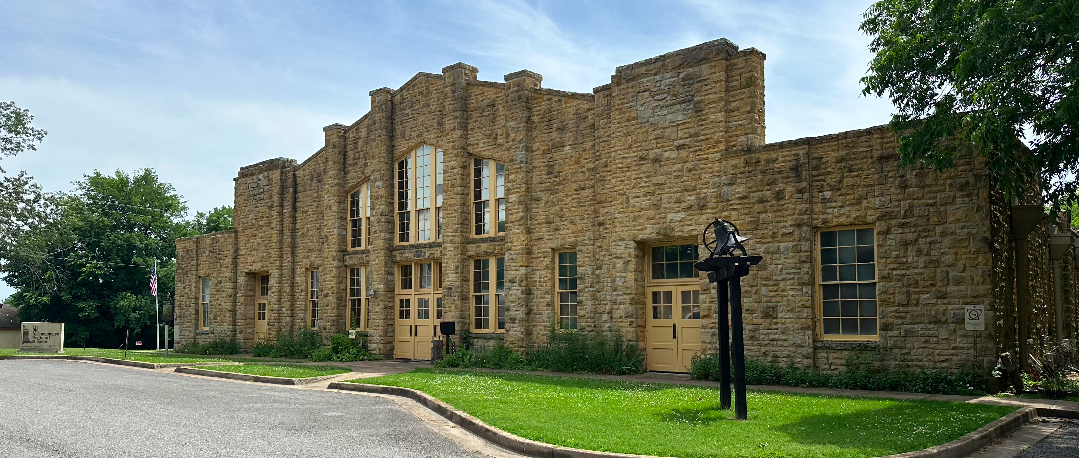
Old Independence Regional Museum is sporting a new-to-us embellishment on our front lawn – a snazzy school bell that once presided over the students and teachers attending the Miller School located south of Anderson (later renamed Lafferty) in Izard County. The classic No. 24 schoolhouse bell with wheel is ready to clang in its snug A-framed stand.
The Miller School was open to students until 1925 when the school district consolidated with Williamson’s Switch and Cedar Grove – both one-room schoolhouses. The new school was named the Cedar School and operated until that district consolidated with Mount Pleasant in 1949.
This sturdy 250 pound bell was generously gifted to the Old Independence Regional Museum by the Fulbright family of Locust Grove. A dedication ceremony will be held on August 31, 2024, at 11:00. Everyone is invited to attend.

Take a look at these cameras!
Nona Floyd brought a trunk overflowing with her husband’s beautiful vintage cameras, projectors, and related equipment. We now have them on display!
For your enjoyment, here is a story of one of the many many cameras Nona donated from R.B.’s vast collection.
Polaroid – Land Camera Model 20, The Swinger
The Land Camera was a self-developing film (instant) camera manufactured between 1948 and 1983. This particular Swinger model hit the market between 1965 and 1970. Its relatively small size and inexpensive cost made the Swinger one of the top selling cameras of all time.
The first commercial Land camera of 1948 (Model 95) created sepia prints in approximately one minute. The camera was named after Edwin Land, and when Mr. Land retired in 1982, so did his name.
“Swinger” sounds so 1960s, but the name is derived from the habit of Mr. Land walking through Phyllis Robinson’s copyright office with the camera swinging from his wrist. She immediately captured the name for advertising purposes.
While the Swinger was priced at below $2.00, the film was not what you would describe as typical for a Polaroid: it was the first venture in film developed outside the camera. To keep costs low, the prints were 3 ¼” x 4 ¼” and were only available in black in white.
Sales dropped in the 1970s when consumers became disillusioned with the quality of the prints. Word of mouth led most people to opt for a different camera. Statistics prove those who did purchase the Swinger developed two rolls of film before abandoning it.
Thank you very much, Nona, for this wonderful collection of cameras we are able to share with our community! Come by Tuesday – Saturday 9:00 – 5:00 to view the Floyd collection of cameras along with our other items in the new General Store display. We will see you at the museum!